 by
by School Counselor Hosts Mandatory Meme Interpretation Sessions
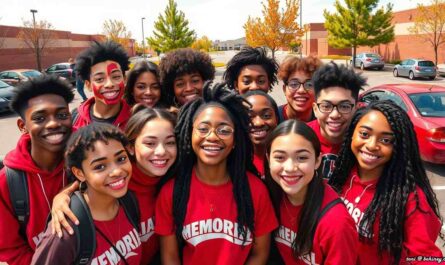
In an effort to meet students on “their level,” Memorial High School’s guidance office has launched a new program requiring every junior and senior to attend weekly “Meme Interpretation Sessions.” The initiative, conceived by Mrs. Keane and the school’s newly elected “Emotional Intelligence Committee,” aims to decode the latent feelings behind popular internet memes and translate them into actionable coping strategies.
“Teens communicate in pictures now,” explained Mrs. Keane, adjusting her cat-ear headset. “If you don’t understand Wojak, you’re missing half the conversation about mental health.” During last Tuesday’s session, a group of fifteen students dissected the latest “Distracted Boyfriend” remix, discussing themes of commitment anxiety, social comparison, and the symbolism of smartphone placement.
Each session begins with a “mood meme warm-up,” where students submit private screenshots of memes that made them laugh, cry, or question reality. Counselors then project these images onto a large screen and guide participants through a structured interpretation involving the SQ3R method–Survey, Question, Read, Recite, Reflect–adapted for visual media.
Feedback has been mixed. One junior said the sessions helped him “realize my cat memes are actually about post-exam trauma.” Another confessed that discussing Pepe the Frog left him “questioning my entire internet history.” A counselor intervened, reminding him that “memes evolve faster than microservices,” and that it’s okay to feel both humorous and uneasy simultaneously.
Parents have been invited to a bi-monthly “Meme Literacy Workshop,” where they learn the difference between a “Mocking SpongeBob” and a “Surprised Pikachu,” and why context matters. Some parents embraced the opportunity–one father exclaimed, “Now I finally know why my daughter sends me cryptic GIFs at midnight!”–while others remain wary, worried that their teenage children will “turn them into memes.”
School board minutes reveal plans to integrate meme analysis into the standard curriculum, with required readings including a chapter from *The Semiotics of Internet Humor* and guest lectures by viral content creators. An optional elective, “Advanced Meme Therapy,” will pair students with licensed therapists for private deep dives into niche subcultures like “E-Motes of 2009” and “Exploding Brain Anxiety.”
Critics argue the program risks validating unhealthy online obsessions. The district superintendent responded, “If we can’t talk about what occupies their minds, we fail them. Plus, it’s cheaper than hiring five more counselors.” Funding comes partly from a grant labeled “21st Century Social-Emotional Learning,” and partly from leftover pep rally confetti.
The Meme Interpretation Sessions are mandatory, but students may opt out by submitting a formal essay comparing ancient hieroglyphics to modern emojis. A handful of brave seniors have taken this route, producing papers that risk being the next viral sensation–if only their English teachers would stop blocking their Tumblr links.